
- March 30, 2026
- Admin
- 0
Manufacturers fault CBN’s exclusion of non-oil exporters.
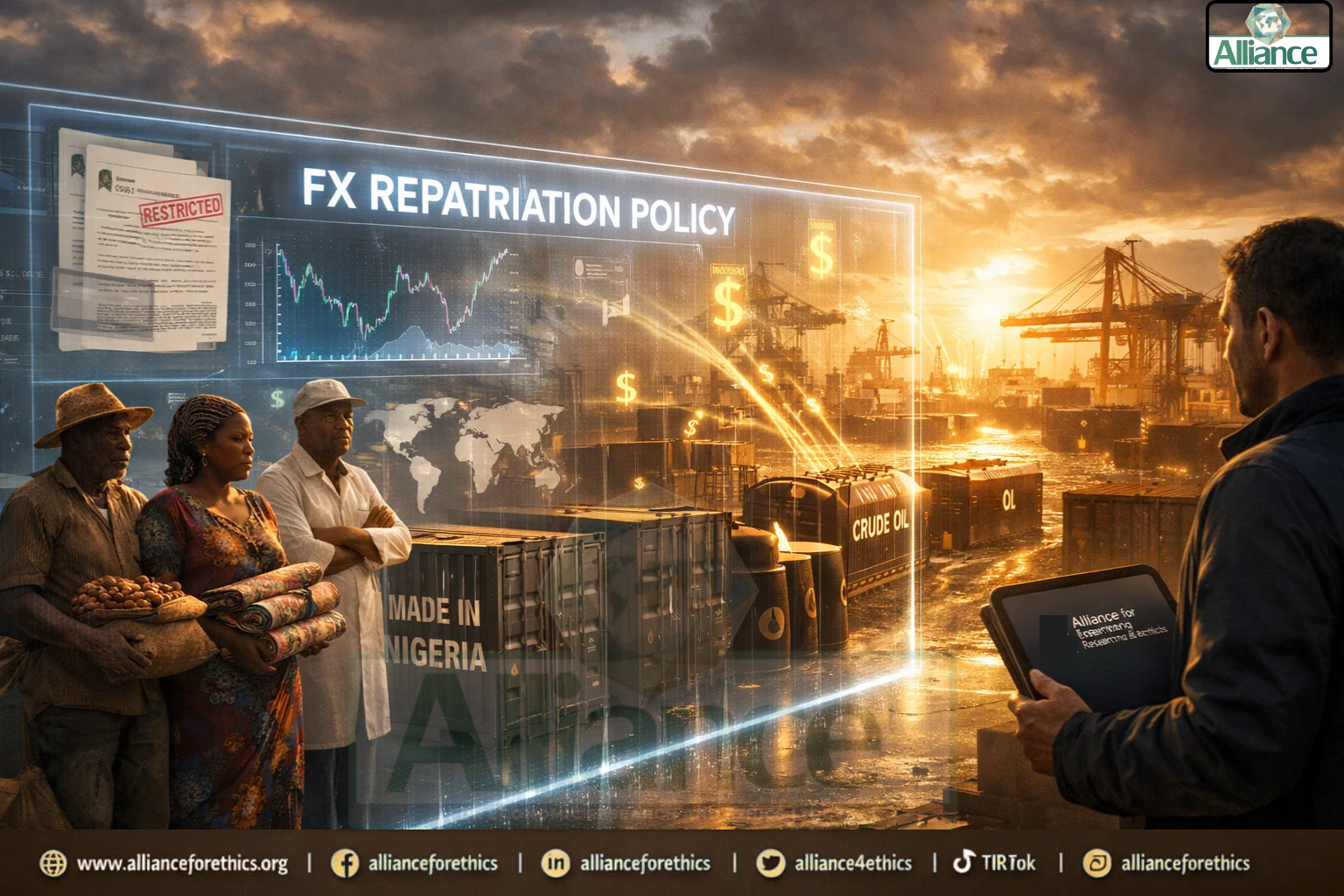
Manufacturers under the aegis of the Manufacturers Association of Nigeria Export Group (MANEG) have raised concerns over what they described as a policy imbalance by the Central Bank of Nigeria (CBN), following its recent decision to allow International Oil Companies (IOCs) unfettered access to repatriate 100 per cent of their export proceeds.
The apex bank last week scrapped the cash pooling requirement for IOCs’ foreign currency inflows, granting them the liberty to retain and repatriate their full export earnings through Authorised Dealer Banks (ADBs), in a move widely interpreted as part of ongoing foreign exchange reforms.
While stakeholders in the oil and gas value chain have welcomed the development, non-oil exporters say the policy risks deepening structural distortions in Nigeria’s export landscape.
In an exclusive chat with Vanguard, Executive Secretary of MANEG, Dr. Benedict Obhiosa, said the decision signals a shift toward a more liberal and investor-friendly foreign exchange regime, capable of boosting investor confidence and enhancing ease of doing business in the oil sector.
According to him, “The policy is expected to attract increased investment into Nigeria’s oil sector and potentially other sectors. However, it also raises concerns about foreign exchange liquidity, as more FX earnings could be repatriated offshore, thereby limiting supply within the domestic market.”
Obhiosa further noted that the exclusion of non-oil exporters from similar concessions underscores a significant policy gap.“This move highlights a clear imbalance, as non-oil exporters—who are critical to Nigeria’s diversification agenda—are not given comparable incentives. This could reinforce the country’s dependence on oil exports and weaken ongoing efforts to broaden the export base,” he said.
He called on policymakers to introduce complementary measures that would support non-oil exporters, stressing that balanced incentives are essential for achieving sustainable and inclusive economic growth.However, industry operators in the downstream segment of the oil and gas sector have taken a different view, describing the policy as timely and beneficial to industrial operations.
Sales and Marketing Manager of LUBCON Group, Mashood Sanni, said the CBN’s decision comes at a critical period of global economic uncertainty and is expected to enhance foreign exchange liquidity and strengthen investor confidence. “This initiative will improve forex availability, which is crucial for indigenous lubricant manufacturers that rely on imported base oils and additives. It will ease procurement challenges, boost production capacity and enhance competitiveness in both domestic and export markets,” he said.
Sanni added that the policy would support industrial growth, encourage investment and promote sustainability within the indigenous lubricant manufacturing segment.He noted: “At a time when the Nigerian economy is facing significant external pressures, this is a positive step that will enhance the capacity of local manufacturers and contribute to broader economic recovery.”
Credit: vanguardngr.com